
Many home cooks believe rinsing raw meat before cooking makes it cleaner or safer, especially when trying to remove residue or bacteria. While the habit may feel hygienic, the act of washing raw meat can increase health risks in unexpected ways. Water splashes can spread harmful bacteria around the kitchen, raising the chance of cross-contamination. Understanding why rinsing meat is discouraged can help home cooks adopt safer food preparation habits and avoid preventable foodborne illnesses.
The Myth of “Cleaning” Meat
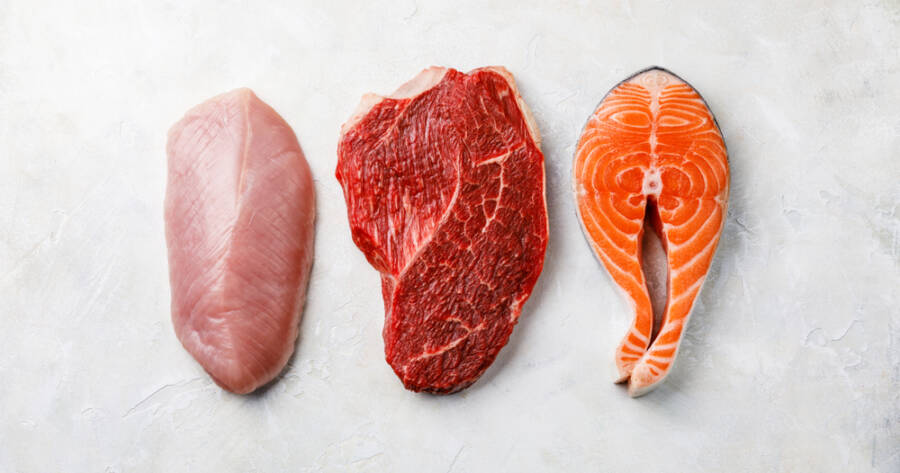
The belief that rinsing meat improves safety remains common in many households. Some people rinse chicken, beef, pork, or fish under cold water because they assume it removes blood, slime, or packaging residue. However, scientific guidance from food safety authorities strongly contradicts that assumption.
According to the U.S. Department of Agriculture (USDA) and the Centers for Disease Control and Prevention (CDC), rinsing raw meat provides no food safety benefit. Bacteria such as Salmonella, E. coli, and Campylobacter cannot be washed away with water. The only effective way to eliminate harmful pathogens is through proper cooking at safe internal temperatures.
The Real Danger: Cross-Contamination
The most significant risk from washing raw meat is cross-contamination. When water hits the meat, bacteria can spread through droplets that land on nearby surfaces, including countertops, sinks, utensils, and cutting boards. Food safety studies show that contaminated droplets can travel up to three feet from the faucet, creating invisible hazards.
Even careful cleanup may not remove pathogens from every surface, especially if bacteria settle into cracks or sponge fibers. Once cross-contamination occurs, everyday kitchen activities—such as chopping vegetables or placing items on the counter—can unknowingly transfer dangerous bacteria to food that will not be cooked.
The risk is especially concerning for vulnerable groups, including young children, pregnant women, older adults, and individuals with weakened immune systems, who are more likely to experience severe complications from foodborne illness.
Cooking Kills Harmful Bacteria
Heat remains the most reliable method for eliminating pathogens. A calibrated food thermometer ensures that meat has reached the proper internal temperature to destroy bacteria:
- Poultry: 165°F (73.9°C)
- Ground meats: 160°F (71.1°C)
- Beef, pork, lamb (steaks, chops, roasts): 145°F (62.8°C) with a three-minute rest
By relying on accurate cooking temperatures rather than rinsing, home cooks can ensure meat is safe to consume.
Proper Food Handling Practices
Instead of rinsing meat, food safety experts recommend focusing on prevention and sanitation:
- Clean: Wash hands with warm, soapy water before and after handling raw meat. Disinfect surfaces, cutting boards, and utensils with hot, soapy water or a kitchen-safe sanitizer.
- Separate: Use different cutting boards for raw meat and produce to avoid cross-contamination.
- Cook: Always verify temperature with a food thermometer.
- Chill: Refrigerate raw meat promptly and avoid extended time in the “danger zone” between 40°F and 140°F.
Safe Alternatives to Washing Meat
For those who prefer to remove excess moisture from raw meat, safer methods exist. Patting meat dry with disposable paper towels can improve browning without spreading bacteria around the kitchen. Discard the towels immediately and wash hands thoroughly afterward. Trimming excess fat or residue with a clean kitchen knife can also be done safely by keeping the meat on a cutting board designated solely for raw proteins.
Marinating should always take place in the refrigerator rather than on the counter or near the sink. Any leftover marinade that contacted raw meat must be discarded or boiled before reuse. By replacing old rinsing habits with controlled handling techniques, cooks can reduce bacterial spread and maintain food quality.
Cultural Practices and Education
Rinsing meat remains a tradition in many cultures, often linked to long-standing beliefs about cleanliness or preparation rituals. Food safety experts emphasize respectful education rather than criticism, encouraging cooks to prioritize health without dismissing cultural values. Community outreach, cooking classes, and public health campaigns continue to promote evidence-based practices, helping families adopt safer kitchen routines.
Trust Heat, Not Water, for Safe Meat Preparation
Although rinsing meat may feel like an extra precaution, it can significantly increase the risk of cross-contamination and foodborne illness. Proper cooking temperatures and attentive hygiene provide true protection against harmful bacteria. By following science-based kitchen practices, home cooks can reduce health risks and prepare meals with confidence, ensuring safety for everyone at the table.