

Dealing with household pests can be stressful, but there are reliable ways to eliminate them without overspending or resorting to harsh chemicals. Simple preventive measures, combined with effective DIY methods, can help manage minor infestations safely and efficiently. However, knowing when to handle pests yourself and when to call a professional is essential. By understanding practical pest control methods, homeowners can maintain a clean, pest-free environment while protecting their property, health, and overall peace of mind.
How Can Pests Be Eliminated at Home Without Professionals?
Eliminating pests at home without professional help is possible with the right approach. The first step is prevention—sealing cracks, gaps, and openings in walls, windows, and doors keeps pests from entering. Regular maintenance, such as checking weather stripping and repairing damaged screens, further reduces access points.
Cleanliness also plays a critical role. Keeping your kitchen tidy, wiping up crumbs and spills promptly, and storing food in sealed containers remove key attractants for pests. Decluttering basements, attics, and storage areas eliminates hiding spots for insects and rodents. Consistency in these habits is often enough to prevent infestations before they start.
Effective DIY Methods for Pest Control at Home
For small pest issues, DIY methods can be both safe and effective. Homemade traps and natural deterrents are affordable options that don’t require chemicals. A popular method for ant control is mixing sugar and baking soda, which attracts and eliminates them without harming people or pets.
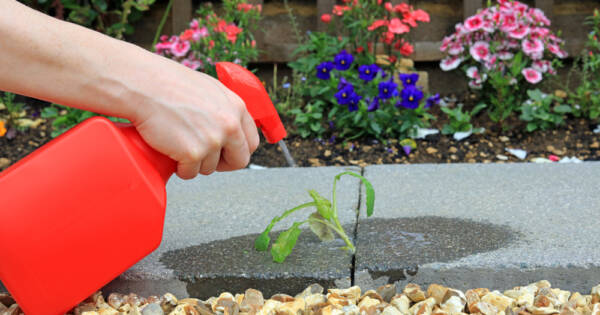
Soapy water sprays can help manage soft-bodied insects like aphids or spider mites on indoor plants, while diatomaceous earth acts as a natural barrier against crawling insects. It works by dehydrating pests that come into contact with it, offering a non-toxic and long-lasting defense.
Regular inspection and upkeep are essential for success. Keep an eye out for early signs of pest activity, such as droppings or small chew marks, and address them immediately to prevent a larger infestation.
Natural Remedies: Vinegar and Essential Oils for Pest Deterrence
Natural solutions can effectively repel pests while maintaining a pleasant home environment. White vinegar is one of the most versatile options—it cleans surfaces, removes food residues, and disrupts scent trails that ants and other pests use to navigate.
Essential oils are another powerful tool. Peppermint oil can repel spiders and rodents, while tea tree, eucalyptus, and lavender oils discourage mosquitoes and flies. Mixing a few drops with water and spraying the solution around doorways, windows, and baseboards creates an invisible, natural barrier.
These remedies are best used regularly and alongside good sanitation practices. While they may not eradicate a large infestation, they can effectively deter pests and reduce the likelihood of recurrence.
Preventing Future Infestations: Long-Term Pest Control Strategies
Prevention is the most sustainable form of pest management. Regular inspections and proactive habits go a long way in keeping pests from returning. Start by addressing moisture issues—leaky pipes, standing water, or damp basements create ideal conditions for pests like roaches and mosquitoes.
Proper waste management is equally important. Keep trash cans covered and empty them frequently, especially in warm weather. Outdoor bins should be positioned away from doors and cleaned periodically to prevent odors from attracting pests.
Landscaping also plays a role in pest control. Trim bushes, trees, and grass near your home’s exterior to eliminate potential bridges for insects and rodents. Storing firewood at least 20 feet from the house can also prevent termites and ants from finding their way indoors.
Lastly, consider seasonal maintenance. Spring and summer are prime times for pest activity, so early preparation—such as applying natural repellents or setting traps—can save you from bigger problems later in the year.
When to Seek Professional Help for Severe Infestations
While many pest problems can be managed independently, some situations require professional intervention. Infestations involving termites, rodents, or bedbugs can cause structural damage and pose health risks if left untreated.
Warning signs of a serious problem include visible nests, droppings, gnaw marks, strange odors, or persistent pest sightings despite home treatments. Professionals have specialized tools and treatments that target pests safely and efficiently, minimizing risk to your family and pets.
If DIY efforts don’t work or the infestation spreads rapidly, it’s best to contact a licensed pest control expert. Regular maintenance visits from professionals can also provide long-term protection for your home.
Maintaining a Pest-Free Home
Keeping your home pest-free involves a mix of vigilance, cleanliness, and preventive care. By sealing entry points, using natural remedies, and staying proactive about maintenance, most minor pest issues can be resolved without outside help. For more serious infestations, professional pest control ensures safe and lasting results.
A clean, well-maintained home not only prevents pest problems but also promotes a healthier, more comfortable living environment for everyone. With consistent effort and awareness, you can enjoy peace of mind knowing your home is protected year-round.