
Plumbing problems can range from small inconveniences to serious household emergencies that cause significant damage if ignored. While many minor issues can be handled through simple DIY fixes, others require the skill and equipment of a licensed plumber. Knowing when to make repairs yourself and when to seek professional help can save you time, money, and stress. By understanding common issues and maintenance strategies, homeowners can keep their plumbing systems running smoothly year-round.
Common Plumbing Issues and DIY Fixes
Many common plumbing problems can be solved without professional assistance. A dripping faucet, for example, is often caused by a worn washer or cartridge that can be replaced using basic tools. Clogged drains are another frequent issue—often fixed with a plunger, a drain snake, or a simple baking soda and vinegar solution. Similarly, a running toilet is usually caused by a faulty flapper or fill valve, both inexpensive and easy to replace.
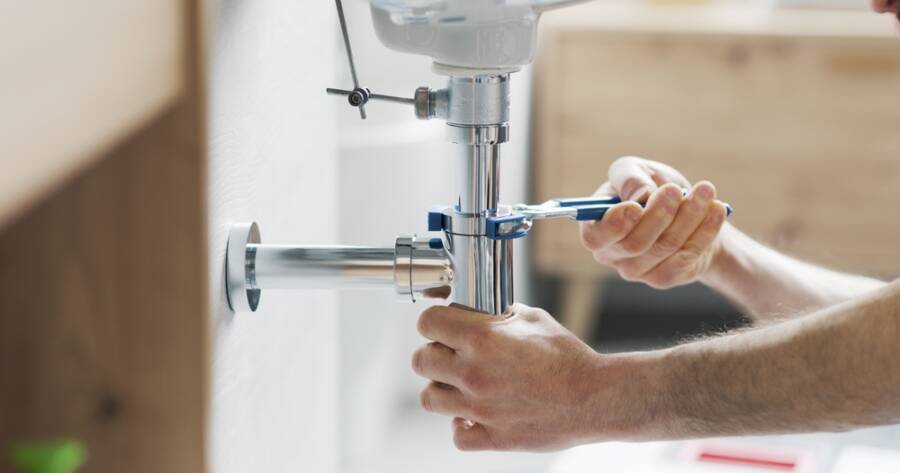
Low water pressure is another problem homeowners can often resolve. Cleaning the faucet aerator or removing sediment buildup from showerheads can restore normal flow. Minor leaks under sinks may be repaired by tightening joints or replacing worn washers. Completing these small repairs promptly prevents larger issues, conserves water, and keeps your utility bills in check.
Preventative Maintenance Tips to Avoid Plumbing Problems
Regular maintenance is essential for preventing major plumbing issues and extending the life of your fixtures. Start by inspecting exposed pipes for leaks or corrosion. Catching small drips early prevents structural damage and mold growth. Avoid harsh chemical drain cleaners, as they can erode pipes—opt for a drain screen and clean your drains periodically with baking soda and hot water instead.
Your water heater should be flushed once a year to remove sediment, improving efficiency and preventing costly breakdowns. Check toilets for loose seals or small leaks that could waste hundreds of gallons of water annually. Be mindful of what goes down the drain—grease, coffee grounds, wipes, and feminine hygiene products can easily cause clogs. For homes with older plumbing, scheduling a professional inspection every few years can identify wear before it becomes a serious problem.
Signs You May Have Hidden Plumbing Problems
Not all plumbing issues are visible, and hidden leaks or damage can go unnoticed until they cause costly repairs. Unexplained increases in water bills often signal a leak somewhere in the system. You may also notice damp spots, peeling paint, or moldy odors—indicators of water seeping behind walls or under floors.
Another sign of a hidden plumbing issue is low water pressure throughout the home, which could point to a damaged main line or mineral buildup in pipes. Gurgling sounds from drains may suggest a blockage or a venting issue within the system. If your home experiences recurring clogs or slow drains despite regular cleaning, the problem could be deeper in the plumbing network. Recognizing these early signs and contacting a plumber promptly can prevent water damage and expensive structural repairs.
When to Call a Professional Plumber
While many repairs can be handled at home, certain plumbing situations demand expert attention. Burst pipes, sewage backups, or major leaks require immediate professional help to prevent flooding and contamination. Gas line issues and water heater malfunctions should also only be handled by licensed plumbers due to safety concerns.
Persistent low water pressure, discolored water, or unusual noises in the plumbing system can indicate serious underlying issues. Hidden leaks behind walls or beneath flooring are especially dangerous because they can weaken structures and foster mold growth. Professional plumbers have specialized tools—like pipe cameras and pressure gauges—to accurately locate and repair these problems without unnecessary damage to your home.
Hiring a professional doesn’t just fix current issues—it also ensures compliance with building codes and warranty requirements. Attempting complex plumbing repairs without proper training can lead to further damage, making professional help a smart long-term investment.
Finding Reliable Plumbing Services
Finding a trustworthy plumber can make all the difference when emergencies arise. Start by choosing licensed and insured professionals who have experience with residential systems. Check online reviews, ask neighbors or friends for referrals, and request multiple estimates before agreeing to major work.
Ask potential plumbers about their warranty policies, availability for emergency calls, and estimated timelines for completion. A reliable plumber will provide clear pricing, detailed explanations of the work to be done, and references upon request. Establishing an ongoing relationship with a dependable plumber can also simplify routine maintenance and ensure faster response times during emergencies.
Maintaining a Healthy Plumbing System
Taking a proactive approach to plumbing care can save homeowners hundreds—or even thousands—of dollars in future repairs. Simple habits such as regular inspections, proper waste disposal, and timely minor fixes go a long way toward keeping your home’s plumbing in excellent condition. When more serious issues arise, professional plumbers have the expertise and equipment to restore safety and functionality.
With consistent attention and responsible upkeep, you can extend the life of your plumbing system, avoid costly emergencies, and enjoy the peace of mind that comes from a home that runs efficiently.