

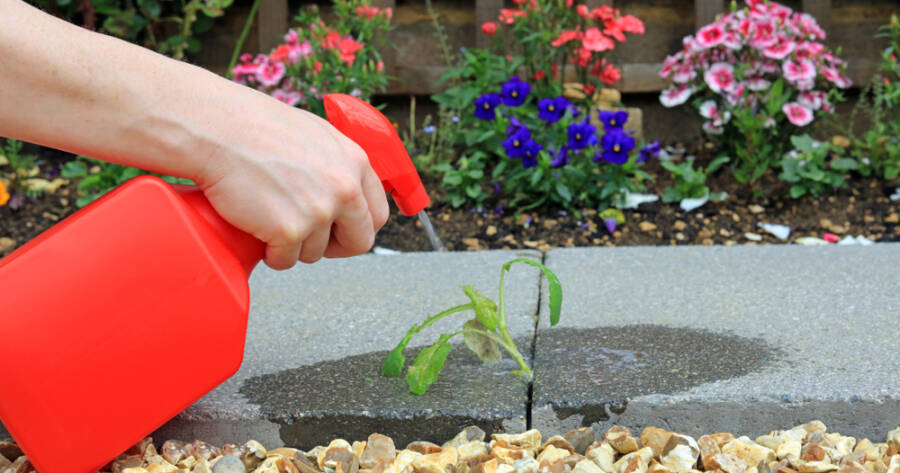
Keeping a lawn healthy and weed-free can be challenging, especially when unwanted plants spread faster than the grass itself. Many homeowners worry that using weed killers will harm their lawns, leaving behind brown patches or thin areas. The good news is that several selective herbicides can target weeds without damaging your turf. With the right products, techniques, and timing, you can maintain a lush, green yard and enjoy a healthier, more vibrant outdoor space year-round.
How Selective Weed Killers Work
Unlike general herbicides that destroy all plant life they touch, selective weed killers are formulated to target specific types of weeds. These products work by interrupting the growth process of broadleaf weeds—such as dandelions, clover, and chickweed—while leaving grass unharmed.
Some selective herbicides are pre-emergent, meaning they prevent weed seeds from germinating, while others are post-emergent, targeting weeds that have already appeared. Applying the right product at the right time is key to maximizing effectiveness and minimizing lawn stress.
It’s also important to know your grass type—cool-season grasses like fescue and ryegrass respond differently than warm-season varieties like Bermuda or Zoysia. Using a product designed for your lawn ensures that your grass remains healthy while the weeds are eliminated.
Top Weed Killers That Won’t Harm Grass
Finding a reliable weed killer that won’t damage your lawn involves choosing products labeled as selective herbicides. Some of the most effective options include:
- Ortho Weed B Gon: Targets dandelions, clover, and other broadleaf weeds without harming most common grass varieties. Ideal for spot treatments.
- Scotts Turf Builder Weed & Feed: Combines fertilizer and weed killer to strengthen grass while eliminating weeds like chickweed and thistle.
- Tenacity Herbicide: A professional-grade product that controls a broad range of weeds, including crabgrass, while being safe for many turf types.
- Spectracide Weed Stop for Lawns: An affordable, fast-acting formula that controls common weeds while preserving overall lawn health.
Always check the product label to ensure it’s compatible with your grass type. Using the wrong formula can weaken your lawn or lead to discoloration, especially if applied too heavily or in extreme weather conditions.
Natural and DIY Alternatives for a Healthier Lawn
For those who prefer a more natural or chemical-free approach, several safe alternatives can help control weeds without harming grass. Vinegar-based sprays can be effective on certain weeds but must be applied carefully to avoid affecting surrounding plants. Corn gluten meal is another eco-friendly option that prevents weed seeds from germinating while doubling as a mild fertilizer.
Healthy lawn care habits are also an essential part of natural weed control. Keeping grass dense by mowing at the proper height, watering deeply, and fertilizing regularly helps crowd out weeds. Overseeding thin areas each fall and improving soil health through aeration can further discourage weed growth by making it harder for invasive plants to take root.
Preventing Weeds Before They Grow
The most effective way to maintain a weed-free lawn is to stop weeds before they appear. Applying a pre-emergent herbicide in early spring creates a barrier that prevents weed seeds from germinating. This method is especially useful for tackling crabgrass and other annual weeds that thrive once temperatures rise.
Maintaining consistent lawn health also plays a big role in prevention. Proper mowing practices—keeping your grass slightly taller—help shade out potential weed seedlings, while balanced fertilization ensures your lawn grows thick and resilient. Early action in the season can dramatically reduce the amount of weed control you’ll need later in the year, saving both time and effort.
Application Tips for Best Results
Correct application is just as important as choosing the right product. For most lawns, the ideal time to treat weeds is during their active growing season, typically spring through early summer. Apply post-emergent herbicides when weeds are young and actively growing for the best results.
When using liquid products, avoid spraying on windy days to prevent drift onto flowers, shrubs, or vegetable gardens. Granular weed killers work best when applied to slightly damp grass so that the granules stick to the weed leaves. Always follow label directions carefully regarding reapplication, mowing, and watering schedules.
If you’re unsure about application timing or product type, local garden centers or cooperative extensions often provide regional guidance tailored to your climate and grass variety.
A Weed-Free Lawn Without the Damage
Weeds can be stubborn, but maintaining a lush, green lawn doesn’t have to mean risking your grass. Whether you use selective herbicides, natural alternatives, or a combination of both, the key is consistency and prevention. By identifying your grass type, choosing compatible products, and applying them correctly, you can eliminate weeds while keeping your lawn healthy and vibrant. With the right approach, you’ll enjoy a beautiful, weed-free yard that enhances your home’s curb appeal all season long.
Keeping a lawn healthy and weed-free can be challenging, especially when unwanted plants spread quickly. Many homeowners hesitate to use weed killers for fear of damaging their grass. The good news is that several selective herbicides target weeds without harming your lawn. By choosing the right products and applying them correctly, you can maintain a lush, green yard without worrying about brown patches or dead grass.
How Selective Weed Killers Work
Unlike general herbicides, which kill all plant life they touch, selective weed killers are designed to target specific types of weeds. These products work by disrupting the growth process of broadleaf weeds, such as dandelions and clover, while leaving grass unharmed. Some formulas are pre-emergent, preventing weeds from sprouting, while others are post-emergent, eliminating weeds after they have appeared.
The key to using selective herbicides effectively is timing. Applying the right product during the growing season ensures that weeds are destroyed before they have a chance to spread. Additionally, understanding the type of grass in your yard can help determine which weed killer is best suited for your lawn.
Top Weed Killers That Won’t Harm Grass
Finding a reliable weed killer that won’t damage your lawn involves looking for products specifically labeled as “selective herbicides.” Some of the most effective options include:
- Ortho Weed B Gon – This formula targets dandelions, clover, and other broadleaf weeds without harming most common grasses. It’s a great option for spot treatment.
- Scotts Turf Builder Weed & Feed – A combination of fertilizer and weed killer, this product strengthens grass while eliminating weeds like chickweed and thistle.
- Tenacity Herbicide – This professional-grade herbicide works against a variety of weeds, including crabgrass, while being safe for many turf types.
- Spectracide Weed Stop for Lawns – An affordable and fast-acting option, this product effectively controls broadleaf weeds while preserving lawn health.
When choosing a weed killer, always check the product label to ensure compatibility with your specific grass type. Some herbicides work better on cool-season grasses like fescue, while others are more suited for warm-season varieties like Bermuda grass.
Natural and DIY Alternatives for a Healthier Lawn
For homeowners who prefer a chemical-free approach, natural alternatives can help control weeds without harming grass. Vinegar-based sprays, for example, can be effective against some weeds, though they should be applied carefully to avoid damaging surrounding plants. Corn gluten meal is another natural option that prevents weed seeds from germinating while acting as a fertilizer for grass.
Regular lawn maintenance can also reduce the need for herbicides. Keeping grass thick and healthy by mowing at the correct height, watering deeply, and fertilizing appropriately helps crowd out weeds naturally. Overseeding thin areas and improving soil quality can further prevent weeds from taking over.
Application Tips for Best Results
Applying weed killers correctly is just as important as choosing the right product. The best time to treat weeds is during their active growing season, usually in spring and early summer. For post-emergent herbicides, spraying when weeds are young and actively growing increases effectiveness.
When applying liquid weed killers, avoid spraying on windy days to prevent drifting onto flowers or vegetable gardens. Granular weed killers work best when applied to damp grass, as the moisture helps the granules stick to weeds. Always follow product instructions regarding reapplication and waiting periods before mowing or watering.
A Weed-Free Lawn Without the Damage
Weeds can be frustrating, but with the right approach, you can eliminate them while keeping your grass green and healthy.
Whether using selective herbicides, natural alternatives, or a combination of both, maintaining a strong lawn is the best way to prevent weeds from returning. By choosing the best weed killer for your yard and applying it correctly, you can enjoy a beautiful, weed-free lawn all season long.