

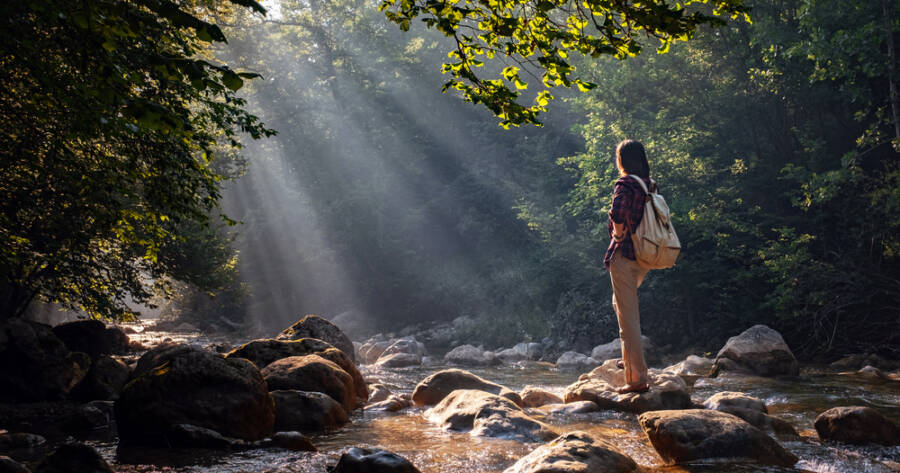
Spending time in nature has always been refreshing, but a growing movement is transforming the experience into a mindful wellness practice. Known as forest bathing, or “shinrin-yoku” in Japan, the approach involves immersing in natural surroundings with full attention to the sights, sounds, and scents. Unlike hiking or exercise, the goal isn’t physical exertion but mental and emotional restoration. As modern life grows increasingly fast-paced, forest bathing offers a way to reconnect with nature and yourself.
What Forest Bathing Really Means
Forest bathing is the practice of slowing down and being fully present in a natural setting. It doesn’t require hiking trails, special gear, or even strenuous activity. Instead, it’s about walking slowly, breathing deeply, and noticing details like the rustle of leaves, the play of light, and the scent of trees.
The focus is mindfulness—shifting attention away from distractions and immersing in the sensory experience of the forest. Unlike goal-driven outdoor activities, forest bathing has no destination. Its simplicity makes it accessible to people of all ages and fitness levels, turning even a short stroll into a restorative experience.
The Science-Backed Benefits
Research shows that spending time in nature lowers stress hormones, reduces blood pressure, and improves mood. Forest bathing in particular has been linked to increased immune function, thanks to exposure to natural compounds released by trees called phytoncides.
Mentally, the practice provides a reset from overstimulation. By reducing digital noise and everyday stressors, forest bathing improves focus and creativity. Many participants report feeling calmer and more balanced after just one session. The science reinforces what humans have long known intuitively: nature has the power to heal and restore.
Long-Term Wellness Effects
The benefits of forest bathing extend beyond immediate stress relief. Studies suggest that regular exposure to green spaces can improve sleep quality, reduce symptoms of anxiety, and support long-term emotional well-being. Time in nature encourages deeper breathing and more regulated nervous system responses, helping the body recover from chronic stress. Over time, this can lead to greater resilience, better concentration, and an improved sense of happiness and stability. In a world filled with constant alerts and mental demands, nature offers balance that supports both body and mind over the long term.
Why It’s Gaining Popularity Worldwide
Forest bathing has gained traction globally as people search for natural ways to manage stress and improve well-being. With rising interest in mindfulness and wellness, it fits seamlessly into modern lifestyles. It’s also an accessible activity—there’s no cost barrier and no special training required.
Cities are beginning to recognize their benefits, with urban parks hosting guided sessions to make nature therapy more widely available. Social media has also amplified the trend, spreading awareness of its calming impact. As people face increasing mental and physical demands, forest bathing offers an approachable, restorative practice that resonates worldwide.
How to Practice Forest Bathing
Starting a forest bathing practice is simple. Choose a natural setting such as a forest, park, or trail, and leave distractions like phones behind. Walk slowly, pause often, and let curiosity guide the experience. The focus is not on covering distance but on being fully present.
Engaging all five senses enhances the practice. Notice the colors and textures, listen to birdsong, breathe in natural scents, and feel the air on your skin. Even 20 minutes can have measurable benefits. Over time, regular practice deepens the connection to nature and strengthens its restorative effects.
Making Nature Part of Everyday Life
While forests provide the richest experience, the principles of forest bathing can be applied anywhere. A local park, garden, or even a tree-lined street can offer moments of mindfulness. The goal is simply to engage with nature regularly and intentionally.
Incorporating small rituals—like daily walks or weekend park visits—keeps the practice sustainable. By weaving nature into everyday routines, it becomes easier to maintain balance and calm in the midst of busy schedules. The more consistently nature is embraced, the more transformative its benefits become.
Reconnecting With What Matters
Forest bathing is more than a wellness trend—it’s a reminder of our deep connection to the natural world. Its benefits go beyond stress relief, offering renewed perspective, clarity, and joy. In a fast-moving digital era, slowing down to immerse in nature provides balance that technology can’t replicate. By embracing forest bathing, people worldwide are rediscovering the restorative power of the outdoors and reconnecting with what truly matters.