
Jackie Robinson’s journey to a trailblazing Major League Baseball figure reshaped American history. His groundbreaking debut with the Brooklyn Dodgers in 1947 shattered racial barriers and challenged long-standing segregation in professional sports. Robinson’s courage, discipline, and determination became a catalyst for cultural change, influencing not only baseball but the wider civil rights movement. His story stands as a lasting example of resilience, leadership, and progress, continuing to inspire future generations on and off the field.
Jackie Robinson’s Early Life and Career
Born in Cairo, Georgia, Jackie Robinson’s early life was characterized by resilience and determination. Growing up in Pasadena, California, Robinson showcased his exceptional athletic talents from a young age. At the University of California, Los Angeles (UCLA), he distinguished himself as a four-sport letterman, excelling in baseball, basketball, football, and track. His success as a student-athlete highlighted a competitive spirit and natural leadership that would later define his role in Major League Baseball.
Robinson’s courage was further demonstrated during his service in the U.S. Army during World War II. Despite racial discrimination, he stood up against segregation and refused to back down when challenged, ultimately earning an honorable discharge. His time in the Negro Leagues with the Kansas City Monarchs reinforced his drive to play at the highest level, eventually drawing the attention of Branch Rickey of the Brooklyn Dodgers. Rickey believed Robinson possessed the talent and fortitude required to break baseball’s color barrier, and their partnership changed sports forever.
The Momentous Integration of Major League Baseball
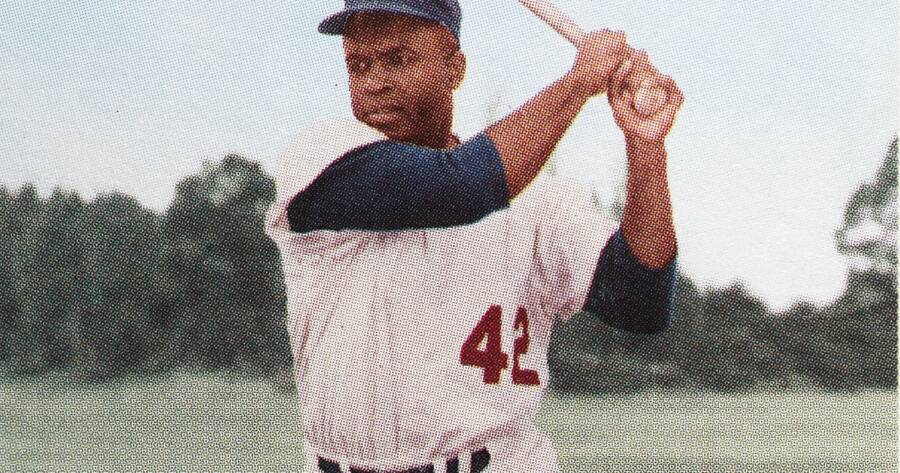
On April 15, 1947, Jackie Robinson broke the color barrier by becoming the first African American to play in Major League Baseball with the Brooklyn Dodgers. His debut marked a turning point in American sports and culture, challenging decades of segregation and setting the stage for broader social change. Each year on April 15, MLB celebrates Jackie Robinson Day, during which every player and umpire wears No. 42 in his honor. This powerful tradition reflects Robinson’s enduring impact on baseball, equality, and American identity.
Robinson faced relentless racial hostility, from derogatory taunts to threats and exclusion. Yet, he responded with restraint, dignity, and excellence on the field. His talent silenced critics as he became National League MVP in 1949 and helped lead the Dodgers to six pennants and a World Series championship in 1955. His achievements and perseverance paved the way for future generations of Black athletes, influencing the civil rights movement and encouraging conversations about fairness, representation, and respect in American society.
Jackie Robinson’s Enduring Legacy
Robinson’s legacy has been permanently etched into baseball history. The retirement of his number 42 across all MLB teams in 1997 remains one of the highest honors any athlete has received. Educational programs, historical exhibits, and collaborations with former Negro League teams ensure that the stories of those who broke barriers are never forgotten. His impact helped open doors for athletes of all backgrounds and strengthened the connection between sports and social progress.
Beyond baseball, Robinson became a voice for equality and economic justice. He wrote, spoke publicly, and engaged in activism that encouraged reforms in housing, employment, and voting rights. His work after baseball demonstrated that his commitment to change extended far beyond the diamond, shaping conversations about civil rights well into the 1960s.
Life After Baseball and Continued Influence
After retiring from Major League Baseball in 1957, Jackie Robinson continued to break barriers in American society. He became the first Black vice president of a major U.S. corporation when he joined Chock full o’Nuts, demonstrating that his leadership extended well beyond athletics. Robinson also wrote columns, supported Black-owned businesses, and collaborated with civil rights leaders such as Martin Luther King Jr. His willingness to use his voice and influence helped promote equality, economic opportunity, and political engagement for Black Americans.
Robinson also established the Jackie Robinson Construction Company, which focused on building affordable housing in underserved communities. His post-baseball work reflected a belief that progress required action, compassion, and courage. Through public speaking, philanthropy, and continued advocacy, Robinson solidified his status as a transformative figure whose impact touched multiple areas of American life.
Never Forget Jackie Robinson’s Legacy
Jackie Robinson’s legacy as both an athlete and civil rights pioneer continues to inspire millions. His courage, resilience, and extraordinary achievements set a standard for progress, forcing the nation to confront inequality. Understanding his story offers a deeper appreciation for the ongoing pursuit of representation, fairness, and equal opportunity. Robinson remains a symbol of strength and hope, reminding future generations that determination and integrity can reshape history and create lasting change. His influence lives on through annual celebrations, education, and the countless individuals who follow in the path he helped clear.