
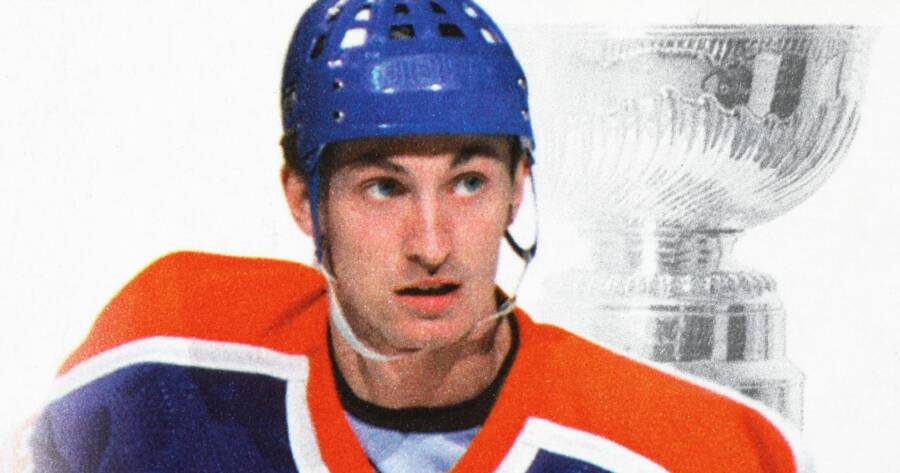
Wayne Gretzky, widely known as “The Great One,” is celebrated not only for his record-shattering achievements but also for reshaping the landscape of hockey itself. His extraordinary career elevated the sport’s visibility, inspired generations of athletes, and transformed hockey into a global phenomenon. More than an athlete, Gretzky became a symbol of leadership, discipline, and sportsmanship. His enduring influence continues to shape both the game and the broader culture surrounding it, decades after his final skate.
Wayne Gretzky’s Remarkable Career
Born on January 26, 1961, in Brantford, Ontario, Wayne Gretzky displayed prodigious talent from an early age. Encouraged by his father, who built a backyard rink for practice, Gretzky honed the skills that would later redefine the game. By the time he joined the NHL, he was already a phenomenon—combining vision, precision, and strategic brilliance that set him apart from any player before or since.
Throughout his career, Gretzky earned the nickname “The Great One” for good reason. His ability to anticipate plays, control tempo, and create scoring opportunities revolutionized how the game was played. His intelligence and awareness on the ice allowed him to dominate, not just physically but mentally, in every era he competed.
Record-Breaking Accomplishments
Gretzky’s list of achievements remains unmatched. He holds the NHL records for most career points (2,857) and most goals in a single season (92), set during the 1981–82 season. Even decades later, no player has reached his milestone of surpassing 200 points in a season, which Gretzky accomplished four consecutive times.
His leadership propelled the Edmonton Oilers to four Stanley Cup championships in the 1980s, defining one of hockey’s greatest dynasties. Beyond his scoring prowess, his playmaking ability transformed teammates into stars, illustrating that his genius lay as much in assists as in goals.
Impact Beyond the Ice
Gretzky’s influence transcended statistics and championships. His 1988 trade to the Los Angeles Kings was a watershed moment that helped expand hockey’s popularity in the United States, especially in non-traditional markets like California and the southern states. The move led to increased youth participation, the establishment of new NHL franchises, and a broader fan base across North America.
The “Gretzky Rule,” introduced after his Oilers’ dominance in four-on-four play, highlighted how his influence even shaped the rules of the game. His professionalism and sportsmanship raised expectations for athletes, setting a new standard for conduct both on and off the ice.
Expanding Hockey’s Global Reach and Popularity
Wayne Gretzky’s legacy extends far beyond North American borders. His success drew international attention to the NHL, encouraging global interest in professional hockey. During international competitions like the Canada Cup and World Championships, Gretzky’s performance inspired young athletes worldwide to pursue the sport with passion and dedication.
In countries where hockey was once a niche sport, such as Japan and Australia, Gretzky’s fame contributed to the growth of grassroots programs and the visibility of professional leagues. His ambassadorial role after retirement—through promotional tours, charity events, and youth development initiatives—further strengthened hockey’s global community.
Gretzky’s impact also carried over into media and entertainment. His presence in commercials, endorsements, and even video games during the 1990s helped make hockey more relatable to mainstream audiences, bridging the gap between athletic excellence and popular culture.
A Lasting Legacy
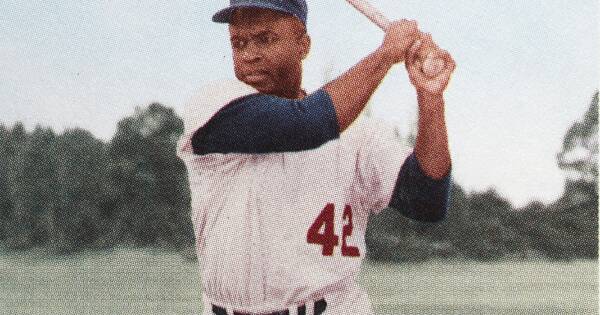
When Wayne Gretzky retired in 1999, he did so as a living legend. He was immediately inducted into the Hockey Hall of Fame, bypassing the traditional waiting period—a rare honor reflecting his unparalleled status. His iconic jersey number, 99, was retired league-wide, a tribute shared only with Jackie Robinson in baseball.
After retirement, Gretzky remained deeply connected to the sport. He served as a coach, team executive, and sports analyst, continuing to influence the game’s direction. Beyond hockey, his philanthropy through the Wayne Gretzky Foundation supports youth sports and education, reinforcing his belief in giving back to the community.
Wayne Gretzky’s Cultural and Family Influence
Gretzky’s public life has always balanced fame with humility. His 1988 marriage to actress Janet Jones captivated Canada, often called “The Royal Wedding.” Together, they raised a family grounded in strong values and a sense of responsibility that reflects Gretzky’s off-ice persona.
His calm demeanor, professionalism, and focus on family have made him an enduring role model. Even outside the rink, he remains an influential figure in Canadian identity—representing excellence, perseverance, and national pride.
The Great One’s Enduring Inspiration
Wayne Gretzky’s career transcends the boundaries of sport, offering lessons in leadership, innovation, and integrity. His achievements redefined hockey, while his influence expanded its reach to audiences worldwide. By setting the standard for excellence and conduct, Gretzky showed that greatness involves not only talent but also humility and vision.
Decades after his final game, his records remain untouched, his influence undiminished, and his story continues to inspire athletes and fans alike. Wayne Gretzky’s legacy will forever stand as the gold standard in hockey culture—and a lasting symbol of what it means to be The Great One.